
How to Prepare for the TELC B1 Exam: A Step-by-Step Guide
Not sure where to start with TELC B1 prep? This guide walks you through every step — from assessing your level to building a weekly routine — so you arrive at the exam fully ready.
You've decided to take the TELC B1 exam — great. Now comes the question everyone asks first: where do I even start? Passing B1 is absolutely achievable with the right preparation strategy, but a lot of learners waste weeks studying the wrong things in the wrong order. This guide gives you the exact preparation roadmap — from assessing your current level to knowing when you're ready to book your exam date.
Step 1: Assess Your Current Level Honestly
Before you build a study plan, you need to know where you actually stand. A lot of learners overestimate their level — and then panic two weeks before the exam when they realise how much ground they need to cover. The fastest way to get an honest baseline is a diagnostic test.
- •Download the free TELC Modelltest B1 from telc.net — it is the real exam format and gives you a raw score to work with.
- •Score below 50%: You need at least 8–10 weeks of structured preparation. Focus first on grammar and vocabulary before drilling exam format.
- •Score 50–65%: You are in range. 4–6 weeks of targeted prep on weak sections will likely get you to passing standard.
- •Score above 65%: You are close. 2–3 weeks of exam-format practice and mock tests should be sufficient.
Honest baseline = honest plan
Do not base your self-assessment on how you feel in class or how comfortable you are speaking with friends. Take a timed, full-format mock test under exam conditions. That score is your real starting point.
Step 2: Understand What B1 Actually Requires
B1 is the third level of the CEFR scale. In plain terms, B1 means you can handle most everyday situations in German — not perfectly, but functionally. Here is what the exam actually tests:
- •Lesen (Reading): Understand texts about everyday topics — job ads, notices, short articles, emails. You do not need to understand every word — you need to extract the key information.
- •Hören (Listening): Follow conversations, announcements, and short interviews at a normal pace. Audios are played once only. Note-taking is allowed.
- •Schreiben (Writing): Write a semi-formal letter or email of 100–150 words responding to a given prompt. You are scored on task completion, structure, vocabulary range, and grammatical accuracy.
- •Sprechen (Speaking): Complete three spoken tasks with a partner — an introduction, discussing a picture/topic, and a role-play. You are assessed on fluency, accuracy, and interaction.
You need 60% overall to pass, but you must also pass the written section and the oral section separately. Scoring high on Lesen and Hören does not compensate for a very low score on Schreiben or Sprechen. This is the most common cause of unexpected failures — see our full guide on <a href='/telc-b1-pruefung'>TELC B1</a> for the scoring breakdown.
Step 3: Choose Your Preparation Path
There is no single right way to prepare. Your best path depends on your schedule, budget, and current level. Here are the three most common approaches:
- •Self-study: Best for disciplined learners with a solid foundation. Lowest cost. Requires good self-assessment skills and access to quality practice materials. Biggest risk: no feedback on writing and speaking.
- •Language course (group): Best for learners who need structure and accountability. Typically 6–12 weeks. Costs €200–€600. Teachers provide feedback, but you may not get enough individual speaking practice.
- •Hybrid (self-study + targeted tutoring): The most cost-effective high-success option. Study independently for Lesen and Hören, hire a tutor for 4–6 sessions focused on Schreiben and Sprechen feedback. Estimated cost: €150–€350 total.
The 4 Best Resources for TELC B1 Preparation
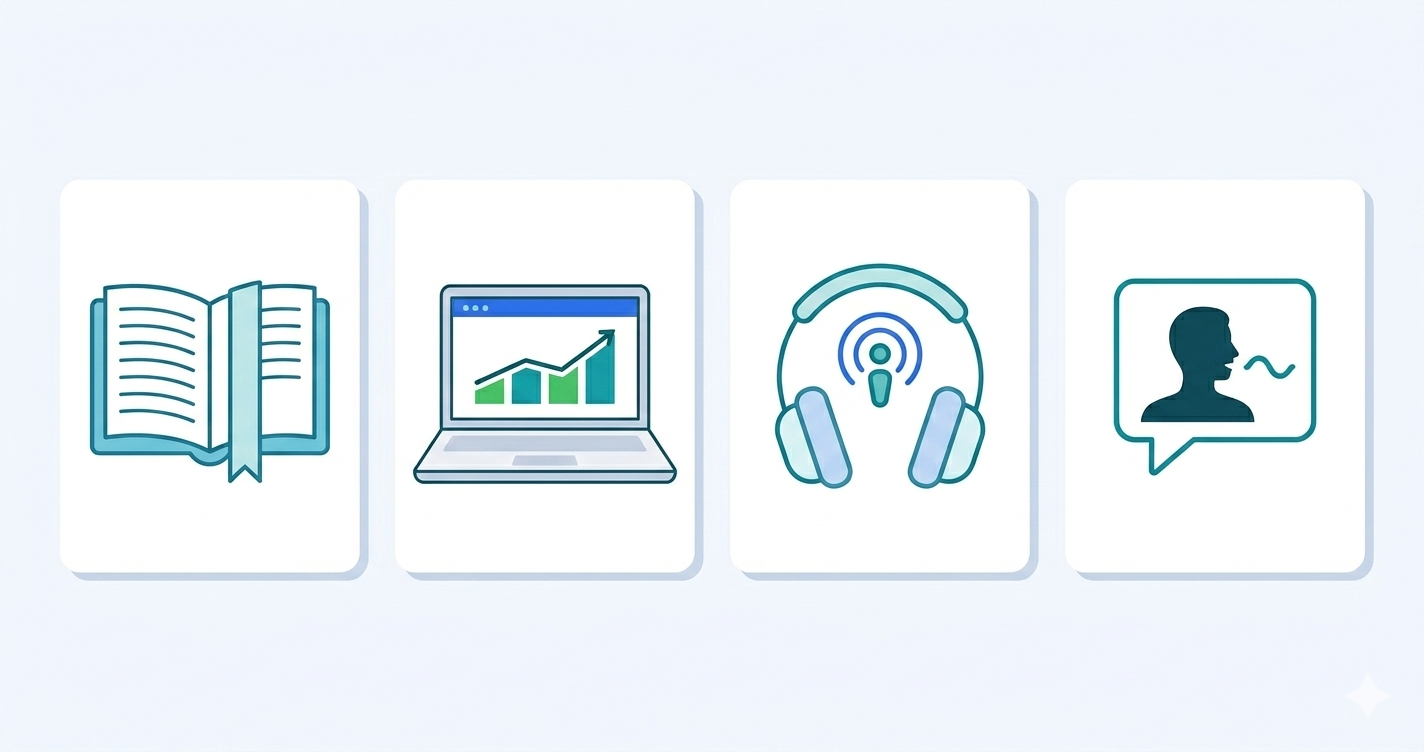
- •Cornelsen Prüfungstraining TELC Deutsch B1: The most widely recommended textbook. Includes full model tests, answer keys, and audio tracks. Cost: €18–€25. Essential.
- •telc.net Modelltest: Free download from the official TELC website. Use it for full timed mock tests, not just browsing. Complete at least 2 full mock tests before your exam date.
- •LevelKraft app: Full B1-format mock tests with AI-scored feedback on Schreiben and Sprechen — the two sections where most learners are flying blind. Tracks your section-by-section progress over time. Free tier available, Premium from €14.99/month.
- •Deutsche Welle B1 content (dw.com/en/learn-german): Free, high-quality reading and listening materials at exactly B1 level. Ideal for daily warm-up and building passive skills outside of exam-format drilling.
The Ideal Weekly Study Routine
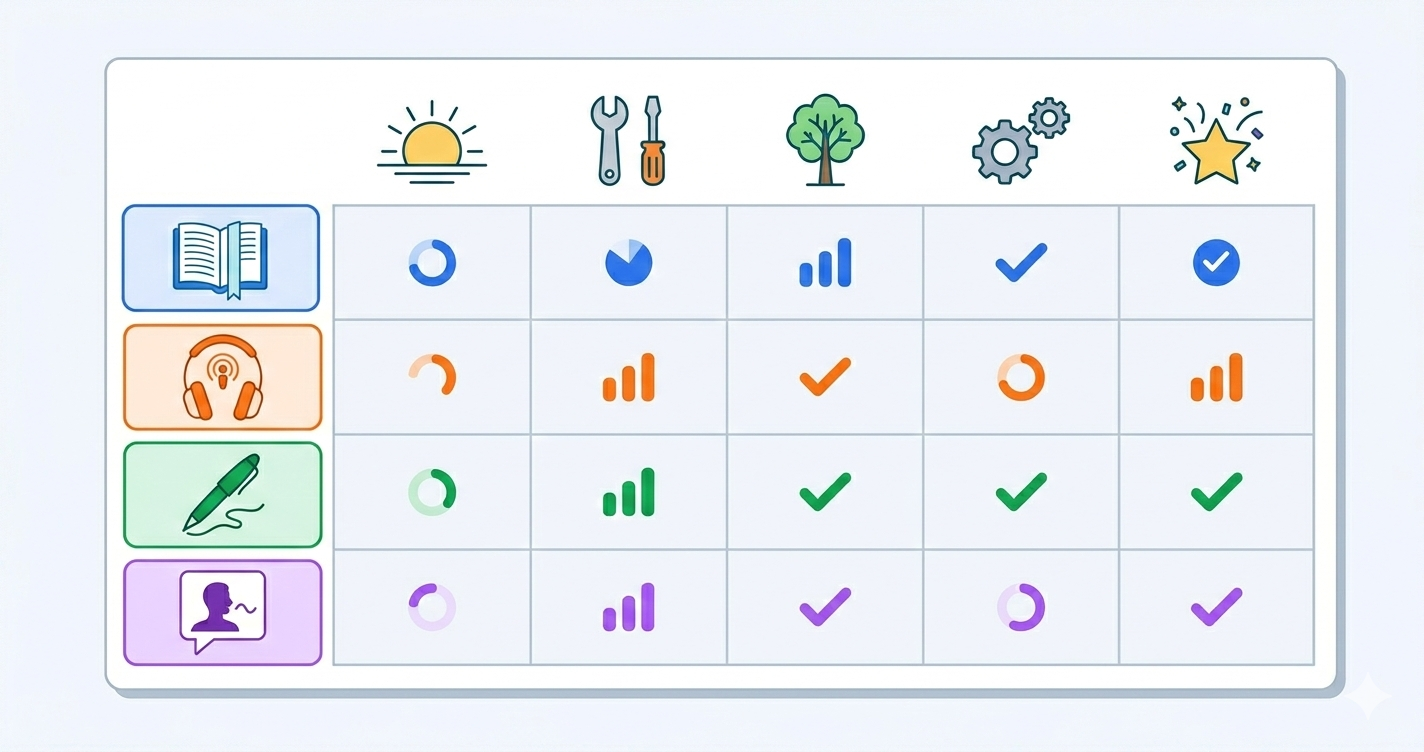
You do not need to study 4 hours a day. One focused hour per day, five days a week, over 6–8 weeks is enough for most learners who start at around 50–55% on a mock test. Here is how to structure those hours:
- •Monday — Lesen (30 min practice + 30 min vocabulary review from errors)
- •Tuesday — Hören (30 min listening practice with note-taking + 30 min review)
- •Wednesday — Schreiben (write one full letter under timed conditions — 25 min — then self-review or tutor feedback)
- •Thursday — Sprechen (15 min solo speaking on a topic using a timer, 15 min shadowing audio, 30 min grammar drill on your weak points)
- •Friday — Full mini-mock or section repeat on whichever area your score is lowest
- •Weekend — Optional: 30 min of DW reading or podcast listening. Keep it light.
Quality over quantity
Passive reading and listening without reviewing your mistakes does almost nothing for exam scores. After every practice session, spend at least as much time reviewing errors as you did on the task itself. That review phase is where learning actually happens.
How to Know When You Are Ready
Do not book your exam date based on how you feel. Book it based on your mock test scores. You are ready when all three of the following are true:
- •You score 70%+ consistently on two separate full mock tests (not the same test twice).
- •Your Schreiben letters meet the task requirements and contain no major structural errors.
- •You can speak for 2–3 minutes on an unfamiliar topic without long pauses or switching to English.
If you hit 70%+ on mock tests, you have a comfortable buffer above the 60% passing threshold. That buffer matters — exam-day nerves, unfamiliar topics, and slightly harder audio quality can all cost you 5–8 percentage points. Build that buffer before you book. See also our detailed breakdown on <a href='/blog/how-to-pass-telc-b1-german-exam'>how to pass the TELC B1 exam</a> and <a href='/blog/telc-b1-exam-cost-germany'>how much TELC B1 costs in Germany</a>.
Start for free — know your score before you book
LevelKraft gives you full TELC B1 mock tests with section-by-section scoring and AI feedback on your writing and speaking. See exactly where you stand before you spend €200 on the real exam. Download free on Google Play.
Do You Know What B1 Requires? (5 Questions)
Test your understanding of the TELC B1 exam before you start preparing.
1. How many words should a TELC B1 Schreiben letter typically be?
2. What percentage do you need to pass the TELC B1 exam overall?
3. In the TELC B1 Hörverstehen, how many times are audios played?
4. Which preparation approach gives the most feedback on Schreiben and Sprechen?
5. On a full mock test, what score suggests you are ready to book your exam date?
Verwandte Themen
Mit LevelKraft für TELC B1 üben
Vollständige Modelltests, KI-Feedback und Fortschrittsverfolgung — kostenlos.
App kostenlos ladenAlles zur TELC B1 Prüfung
Prüfungsaufbau, Tipps, FAQ und Schnelltest